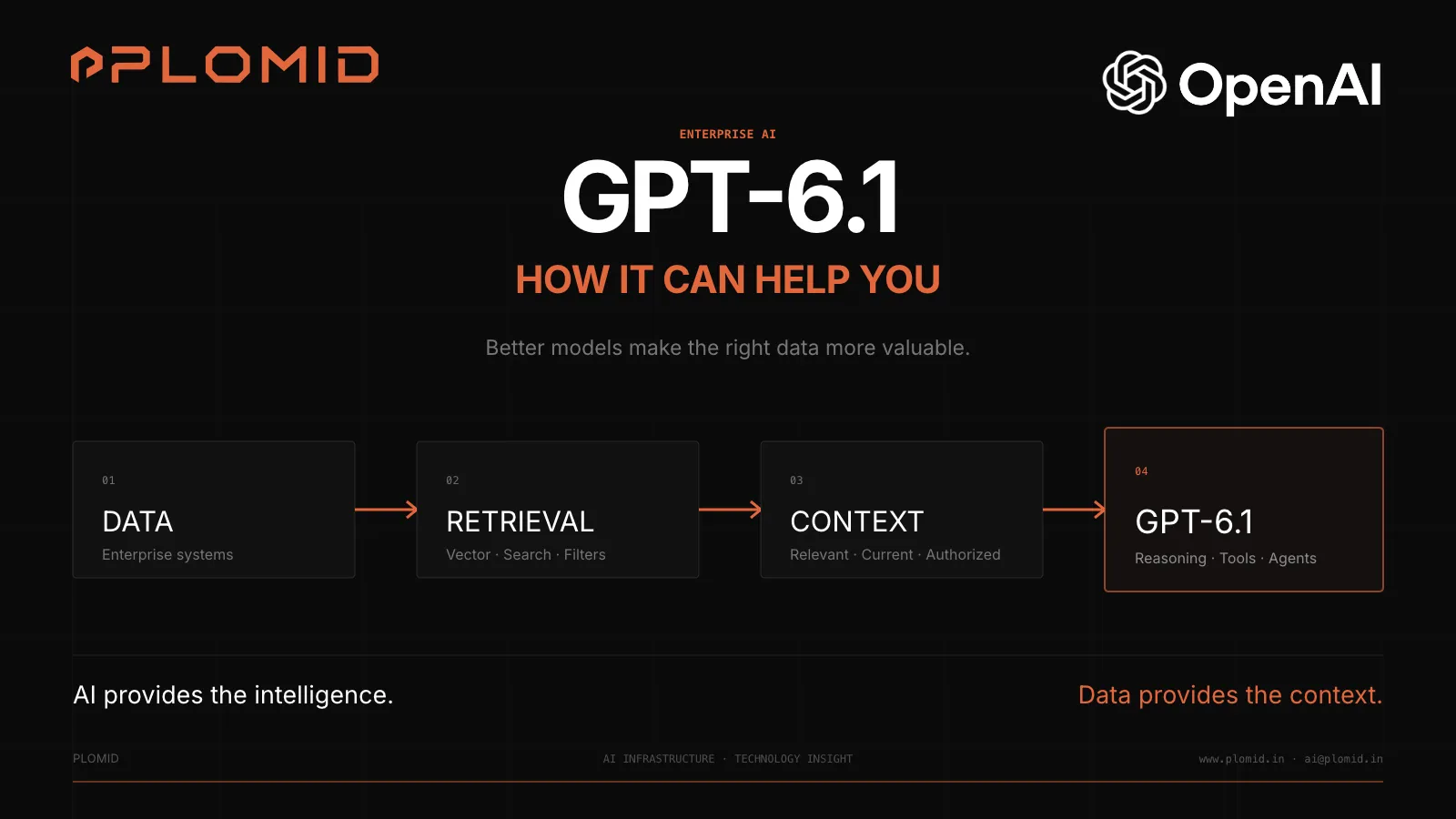
 AI Infrastructure GPT-6.1 Sol and the Enterprise Data Layer: Why Better AI Makes Data Infrastructure More Important OpenAI’s GPT-6.1 Sol pushes frontier AI toward more capable, lower-cost agentic work. Here is what GPT-6.1 means for enterprise AI, retrieval, vector databases, RAG, data infrastructure, security, and the future of AI applications.
 Databases
6 articles tagged Databases.
AI Infrastructure GPT-6.1 Sol and the Enterprise Data Layer: Why Better AI Makes Data Infrastructure More Important OpenAI’s GPT-6.1 Sol pushes frontier AI toward more capable, lower-cost agentic work. Here is what GPT-6.1 means for enterprise AI, retrieval, vector databases, RAG, data infrastructure, security, and the future of AI applications. 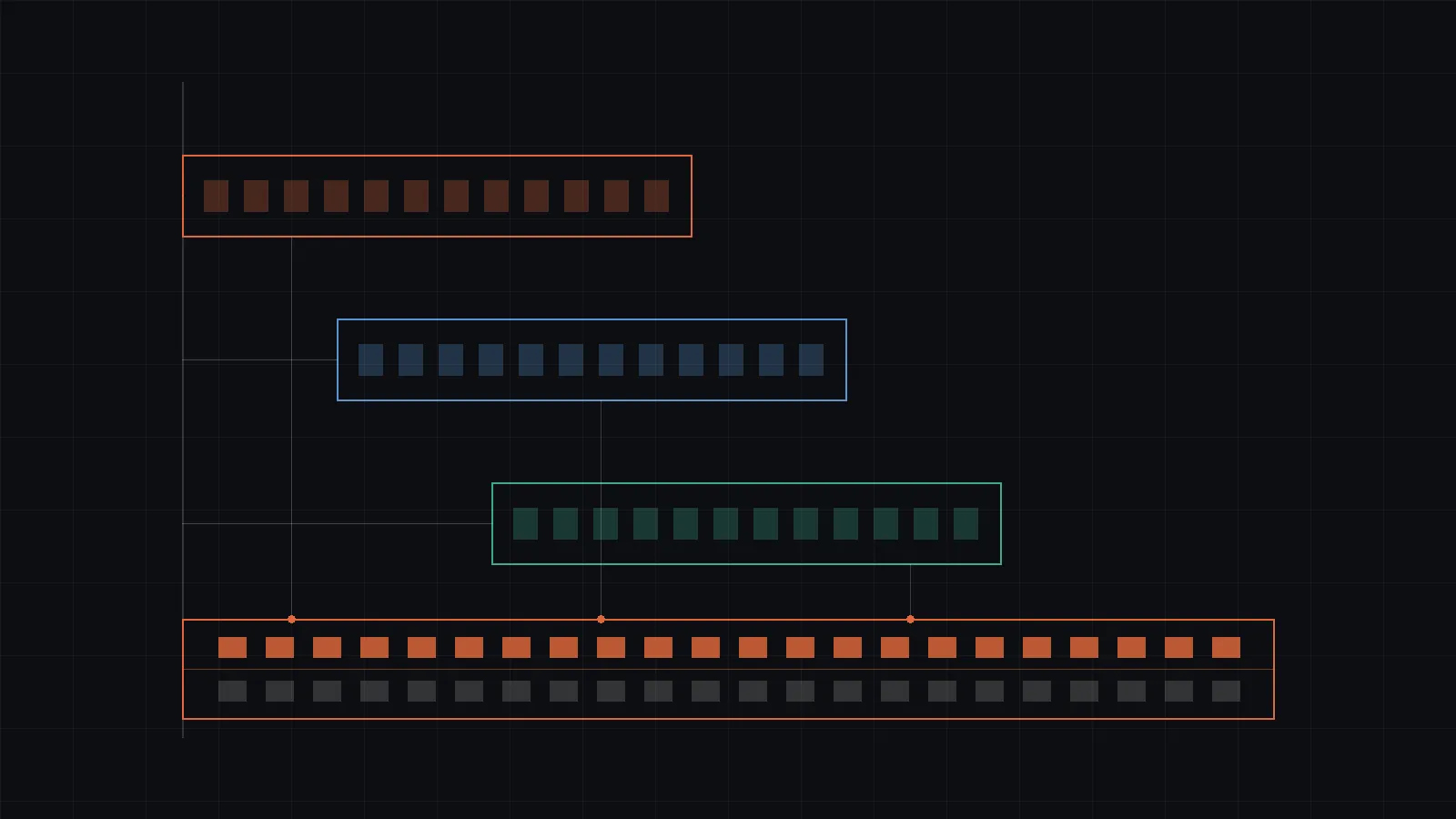 Architecture Building a Unified Data Layer for Modern Applications How modern applications increasingly combine transactional, analytical, document, and event workloads — and why one storage contract answers them better than several systems.
 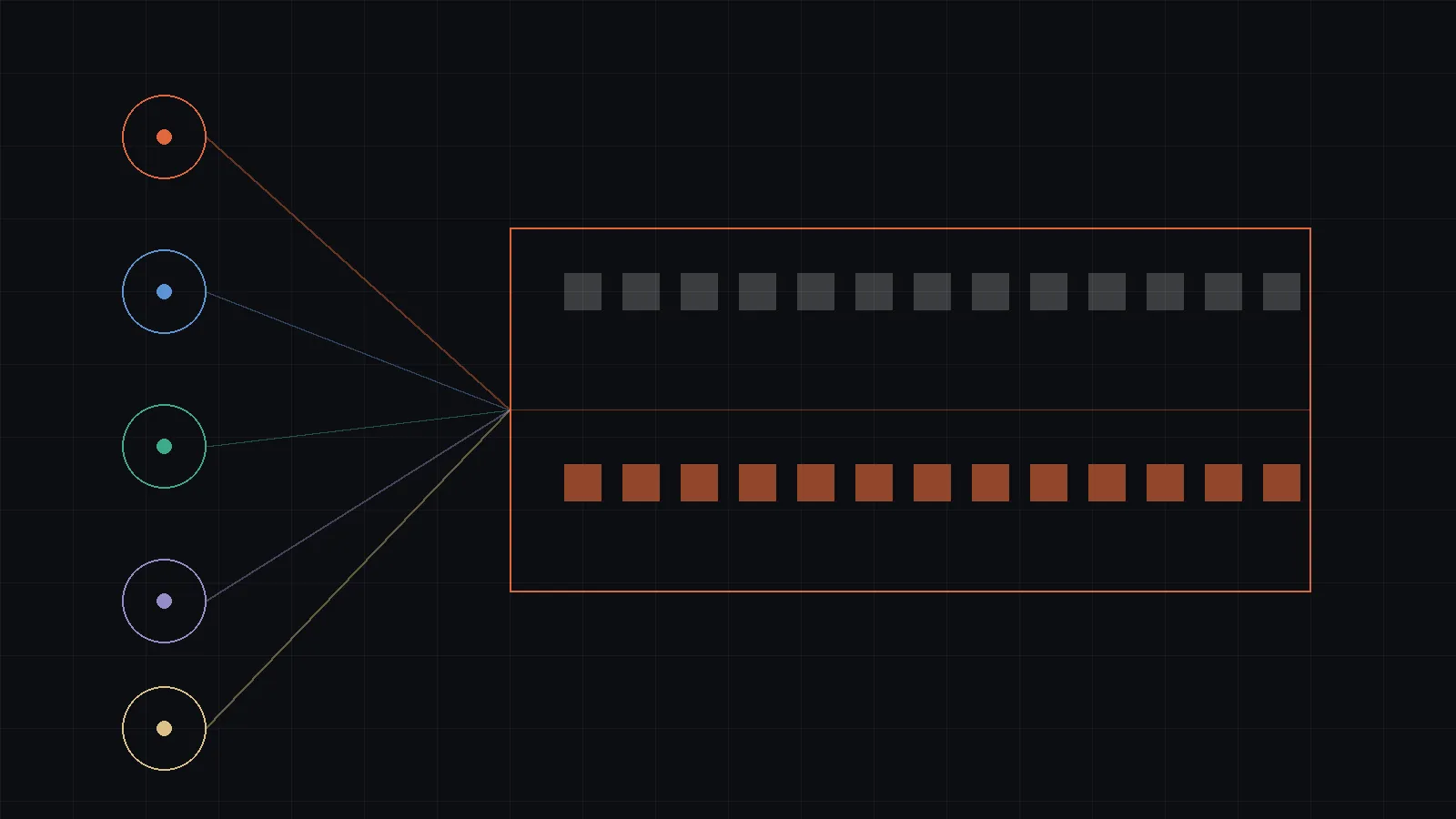 Architecture From Relational Data to Multi-Model Infrastructure Documents, vectors, graphs, blobs, and time series pressure relational systems in different ways. What is available in PLOMID today, what is in development, and what is roadmap.
 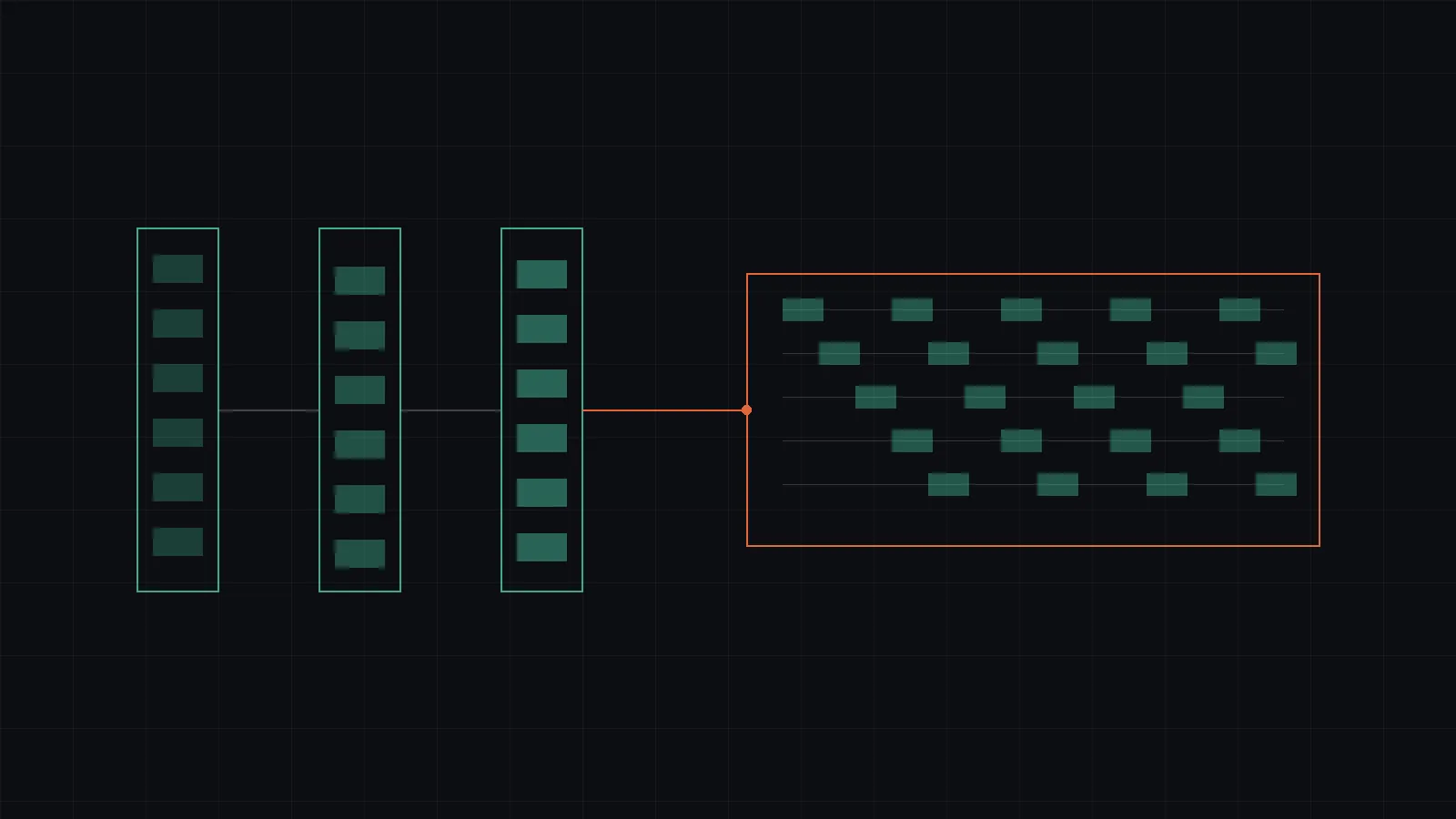 Data Infrastructure Time-Series Data in Modern Data Systems Telemetry, metrics, and events behave differently from transactional rows. What time-ordered workloads need from storage — and what PLOMID provides today.
  Engineering Bringing SQL and JSON Workloads Together Applications keep structured records and flexible documents side by side. How PLOMID queries JSON beside rows in one statement, without a second system.
  Engineering SQL and the Foundation of PLOMID Why SQL remains the primary interface for structured data: transactions, indexes, and a predictable execution path — and how PLOMID builds on that foundation.